

Sell a Business in Livingston, New Jersey
Livingston has one of the most concentrated professional services markets in Essex County — law firms, accounting and CPA practices, financial advisory firms, and medical and dental practices, all supported by an affluent, professionally dense residential community with strong ties to the New York metro market.
It’s a market that generates consistent deal flow in exactly the categories where transaction mechanics are most distinct: practices where the client relationship is personal, where licensing restricts who can own the equity, and where the seller’s transition role is the mechanism by which value transfers.
Selling a professional practice in Livingston isn’t complicated by these characteristics — it’s shaped by them. Buyers who work this market understand them. The sellers who get the best outcomes are the ones who understand them too, before the first offer arrives.
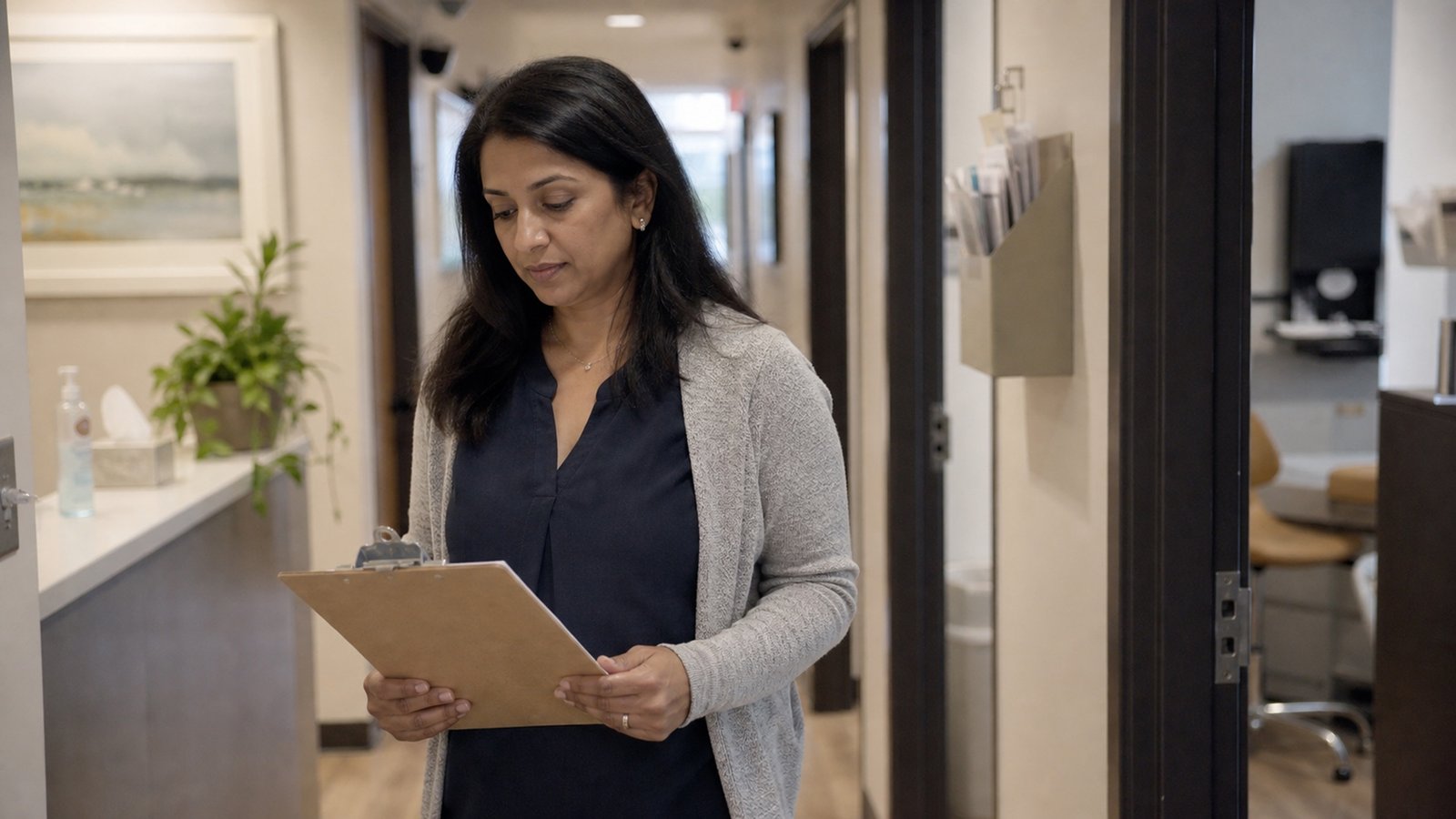

The professional services market
Accounting and CPA practices in Livingston and the surrounding corridor are the most actively transacted professional category in this market. Retention-based pricing — where the seller’s final number depends on client revenue that survives the transition — is the standard structure, and it puts the seller’s transition role at the center of how value is realized. A seller who understands that the earnout is really a measurement of how well the handoff went is in a different negotiation than one who discovers it after signing.
Law practices follow similar retention logic with the addition of ethics rules and bar regulations that govern what a sale can look like. Financial advisory firms — RIA practices, insurance books, wealth management — have an active consolidation market at both the independent and institutional level, and Livingston’s proximity to the NYC financial services community deepens that buyer pool. Professional Services covers the full transaction landscape for credentialed practices, including the licensing question that determines who can sit on the buyer side of the table.
Medical and dental practices
Livingston’s medical community — supported in part by the RWJBarnabas Health presence in adjacent West Orange — generates consistent medical and dental practice transaction activity. Both categories have specific transaction structures: DSO activity in dental is reshaping how dental practices trade; medical practice sales carry hospital affiliation and credential considerations that affect timing and buyer pool. Medical Practice and Dental Practice cover each in detail; the Livingston-specific point is that the density of practices here means buyers are actively covering this market, and sellers who prepare properly aren’t waiting long for qualified interest.

For Livingston practice sellers, the local advantage is that qualified buyers already cover this market — but the right process still depends on practice type, affiliations, and how client or patient relationships transfer. We can identify the relevant buyer pool and preparation priorities before your practice is brought to market.
REQUEST a confidential CONSULTATIONThe Livingston buyer pool
Professional practice buyers in Livingston come from three directions.
Regional firms merging up — larger accounting, law, and advisory firms acquiring smaller practices to add books of business and geographic reach. Institutional and PE-backed platforms — especially active in accounting, wealth management, and dental. And individual credentialed buyers — licensed professionals acquiring a practice rather than building one, often SBA-financed — who are most active at the smaller end.
The practical point:
The buyer pool’s depth varies by category. Accounting and dental are seeing strong institutional buyer activity nationally, and that activity reaches Livingston’s market. Law practices at Main Street scale more often sell to individual attorneys or small firm consolidations. Financial advisory depends heavily on AUM and the composition of the book. The first conversation identifies which buyer pool applies to your specific practice. SBA Buyers covers how SBA financing affects the individual-buyer transactions that are common here.
Part of a larger Essex County market
Livingston sits in Essex County's professional and suburban commercial corridor, which extends through West Orange and connects to a buyer pool that draws from both the NJ professional community and the New York metro market. Our Essex County page covers the full county and how the sub-markets connect.
Frequently Asked Questions
The process is specific to the profession: licensing requirements determine who can buy, retention pricing structures the deal, and the seller’s transition role is the mechanism by which value transfers. The first step is a confidential conversation about which category your practice is in and what the current buyer market looks like for it. Confidential Business Sales covers how the process protects you throughout.
It depends on the profession, the revenue mix, and the composition of the client base — recurring and contracted revenue prices at a premium; project and referral-dependent revenue prices lower. How Much Is My Business Worth? covers the methodology; the professional-practice-specific conversation starts with what your book actually looks like.
Longer than in most industries — the transition period is the mechanism by which client relationships transfer, which is how you get paid. The specifics depend on how personally the relationships are held and how concentrated they are in you. The transition length is negotiated, not fixed, and it’s one of the first things we work through in the process.


