

Sell a Business in Piscataway, New Jersey
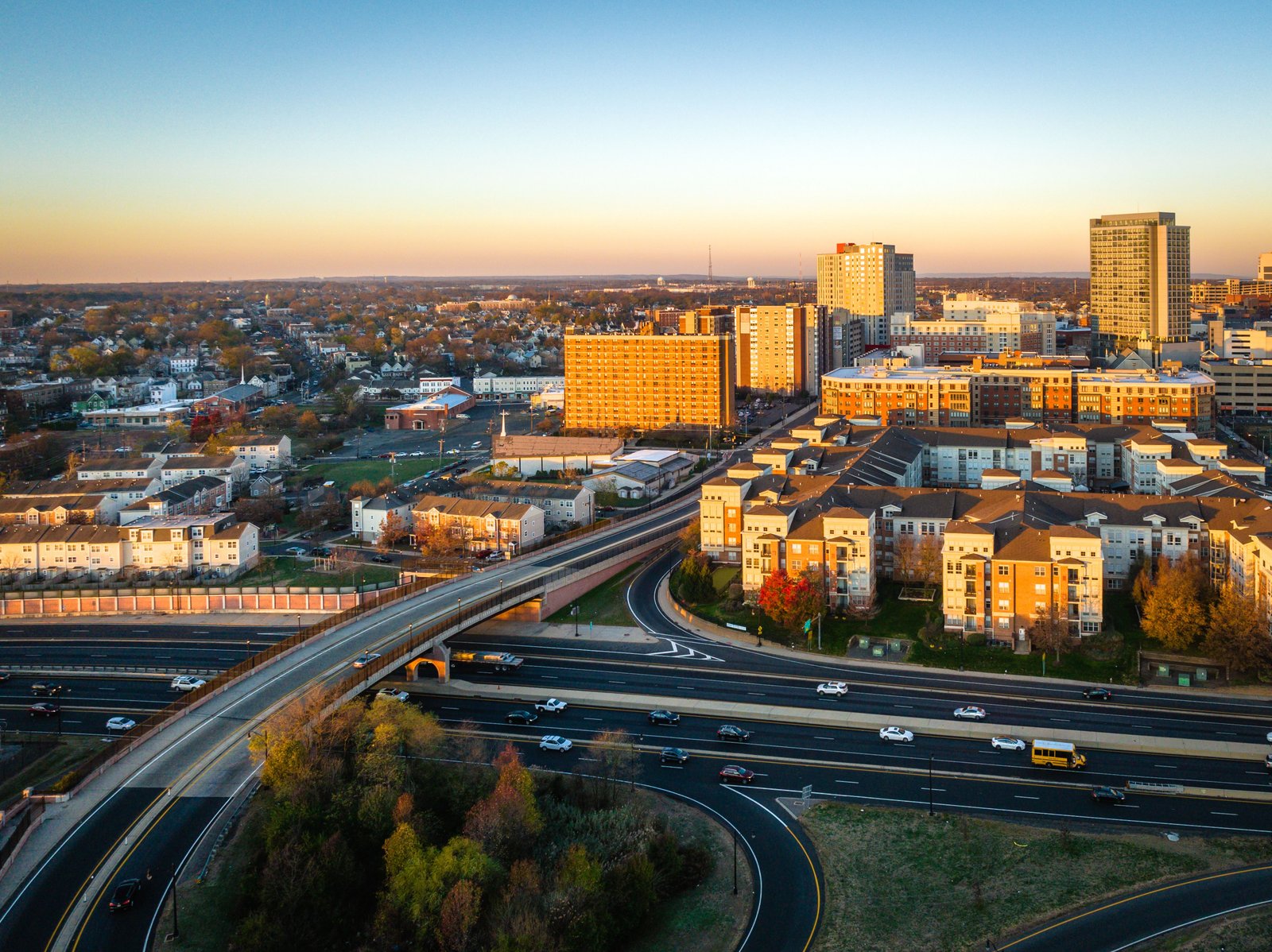
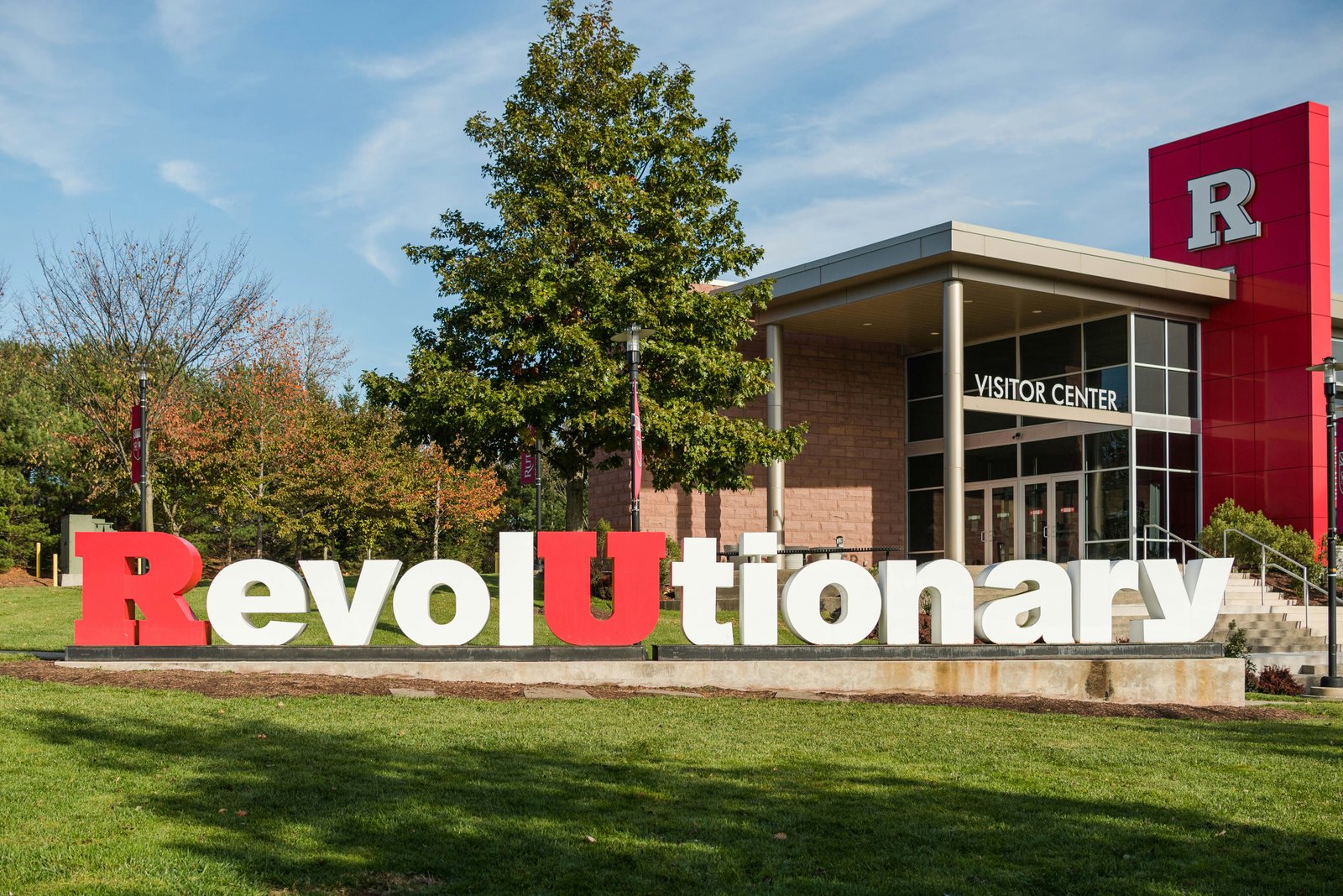
Piscataway is shaped primarily by Rutgers University, whose Busch and Livingston campuses and associated research park sit within the township and represent the largest institutional presence in Middlesex County's northern corridor.
The university functions as an employment and population anchor — generating the residential, professional, and commercial activity that supports the businesses we typically represent — rather than as a direct source of business sale transactions. The deal flow in Piscataway is in the surrounding ecosystem: commercial services, B2B firms, and professional and personal service businesses that exist because the university and research community are here.
The Rutgers and research corridor commercial base
The businesses around Rutgers — commercial services firms serving the university and research community, staffing and B2B services companies supporting the institutional employment base, professional service businesses serving the faculty, staff, and student population — generate deal flow in the same categories as the broader Route 1 pharma and institutional corridor to the south in Edison.
The Rutgers research park has generated some early-stage technology and life sciences company activity, but at a stage and scale that sits above the lower-middle-market transactions our practice focuses on. The Piscataway deal flow is in the commercial infrastructure around the institution, not in the institution itself or its research spin-offs.
For sellers in the Piscataway commercial corridor, the buyer pool is primarily individual and SBA-financed buyers for smaller commercial service businesses, and B2B consolidators and strategics for businesses with recurring contract revenue and defined client bases in the institutional sector. B2B Services covers the buyer market for recurring-revenue commercial service businesses; Professional Services covers the professional practice market.
Route 1 and the Edison corridor connection
Piscataway’s Route 1 frontage connects it to the pharma-adjacent commercial corridor extending through Edison to the north. Businesses along Route 1 in Piscataway draw from the same life sciences and pharmaceutical employment base that defines the Edison corridor, and in some cases attract the same buyer profile — B2B consolidators and strategics covering the Route 1 pharma corridor don’t stop at the Edison-Piscataway boundary. Edison covers the Route 1 corridor in more depth; Middlesex County covers how the two sub-markets connect.

For a Piscataway seller, the deciding question is whether the business serves the Rutgers institutional ecosystem, the broader Route 1 corridor, or both. That distinction shapes the buyer pool, the value drivers, and the preparation work before a confidential process begins. Edison covers the Route 1 market in more depth.
REQUEST a confidential CONSULTATIONThe Piscataway buyer pool
Buyer demand depends on whether the business serves the Rutgers institutional base, the Route 1 corridor, or both.
Smaller commercial and professional service businesses serving the Rutgers community often attract individual and SBA-financed buyers. Businesses with recurring institutional contracts or a route into the pharma-adjacent Route 1 corridor can attract B2B consolidators and strategics. The buyer pool follows the revenue base, not the municipal boundary.
The practical point:
The practical point is identifying the customer base that makes the business transferable before outreach begins. Edison covers the Route 1 market; B2B Services covers the recurring-revenue buyer market.
Part of a larger Middlesex County market
Piscataway is part of Middlesex County's Route 1 and institutional commercial corridor. The Middlesex County page covers the full county market and how Piscataway's institutional anchor fits within it.
Frequently Asked Questions
The process depends on whether your business serves the institutional market — Rutgers, the research community, the Route 1 employment base — or the general residential and commercial population. The buyer pool differs between the two. The first step is a confidential conversation that identifies which buyer pool applies to your business.
It depends on the revenue mix and the client base. Businesses with documented recurring revenue from institutional clients price at the premium; project-based or transactional businesses price differently. How Much Is My Business Worth? covers the methodology; the Piscataway conversation starts with what your actual book of business looks like.
The Route 1 corridor extends through both municipalities, and some buyer pools cover both without distinction. For businesses directly serving the pharmaceutical and life sciences employment base, yes — the corridor buyer market doesn’t draw a sharp line at the township boundary. For businesses serving the Rutgers community specifically, the buyer pool is more focused on the institutional customer base.


