

Sell a Business in Newark, New Jersey
Newark isn't one business market — it's three that happen to share a city.
The logistics and distribution businesses built around the airport, port, and Turnpike access operate in a different buyer market than the healthcare-adjacent services businesses in the University Hospital and medical school corridor, which operate differently again from the Main Street and commercial businesses that serve Newark’s residential and institutional population. Understanding which market your business is in shapes everything that follows: which buyers are right, what your business is worth, and how the deal gets structured.


The logistics and distribution corridor
Newark Liberty Airport, proximity to Port Newark-Elizabeth, three New Jersey Turnpike interchanges, and the Northeast Corridor rail terminus make Newark one of the most important logistics nodes on the East Coast. The businesses built around that infrastructure — distribution companies, freight and trucking operations, warehousing and third-party logistics providers, import/export services — have a natural buyer audience: regional and national logistics platforms that are actively consolidating, strategics whose own networks depend on this geography, and operators looking to acquire route density or capacity.
For sellers in this corridor, the buyer pool is often more competitive than owners realize. The infrastructure advantage that made the business possible is the same reason an acquirer wants it — proximity and capacity that can’t be replicated elsewhere. Distribution and Logistics / Trucking cover the valuation frameworks and buyer types in detail.
The healthcare and institutional corridor
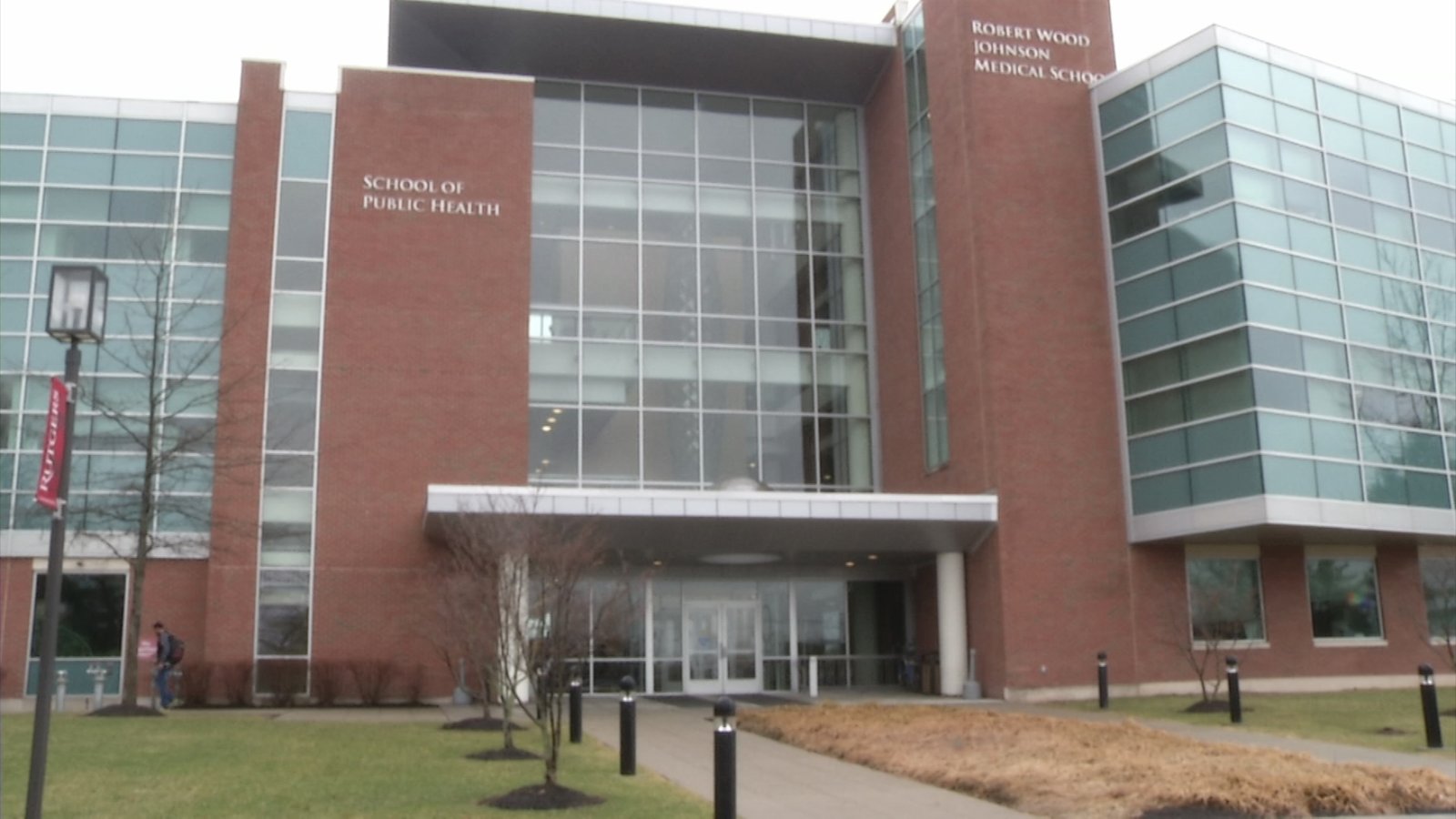
University Hospital, Rutgers New Jersey Medical School, and the concentration of healthcare services in Newark’s University Heights area create consistent deal flow in medical practices, healthcare-adjacent B2B services, and facilities and support businesses that serve large institutional employers. Medical practice transactions here follow the same patterns as the broader NJ healthcare M&A market — retention pricing, licensing restrictions, longer transitions — with the additional context of a dense referral and institutional network that can meaningfully affect practice transferability. Medical Practice covers the transaction specifics.
The broader institutional presence — including major insurance and financial services employers — supports a B2B services market for businesses serving those institutions. Facilities services, staffing, and specialty B2B providers in Newark’s institutional corridor often have a more durable book of business than their counterparts in less anchored markets, which buyers recognize in pricing. B2B Services covers the buyer market for those businesses.
REQUEST a confidential CONSULTATIONThe Newark buyer pool
Newark sellers have access to a buyer pool shaped by the city's infrastructure role.
Logistics and industrial sellers attract acquirers who are actively covering this market — often with more urgency than sellers expect. Healthcare and institutional sellers attract credentialed acquirers and regional consolidators. Main Street and commercial sellers attract the individual and SBA-financed buyers who form the backbone of the lower-middle-market buyer pool statewide.
The practical point:
Most Newark businesses are closer to a competitive buyer process than their owners assume, because the infrastructure, density, and institutional presence that defines this market is exactly what serious buyers are acquiring access to. Business Valuation Services covers how we assess each sub-market; SBA Buyers covers how SBA financing affects the individual-buyer deals that are common at the smaller end.
Part of a larger Essex County market
Newark is the commercial core of Essex County, and sellers here are part of a four-county geography — Essex, Hudson, Union, and Middlesex — that represents one of the densest concentrations of business activity in the country. Our Essex County page covers the full county market and how the sub-markets connect.
Frequently Asked Questions
The process starts with identifying which of Newark’s markets your business is in — logistics and distribution, healthcare-adjacent, or Main Street commercial — because the buyer pool and valuation framework differ meaningfully by category. The first step is a confidential conversation that places your business in the right market before anything goes to buyers.
It depends on the category. A logistics operation with Turnpike access and an established route is valued differently than a medical practice or a facilities services company serving institutional clients. How Much Is My Business Worth? covers the general methodology; the Newark-specific conversation starts with which buyer market you’re actually in.
For businesses operating industrial facilities, New Jersey’s bulk sales notification and ISRA applicability are transaction-layer considerations that surface early in any well-run process. NJ Business Sale Taxes covers bulk sales; Industrial Services covers ISRA. Both are manageable — the key is raising them before a buyer’s attorney does.


